
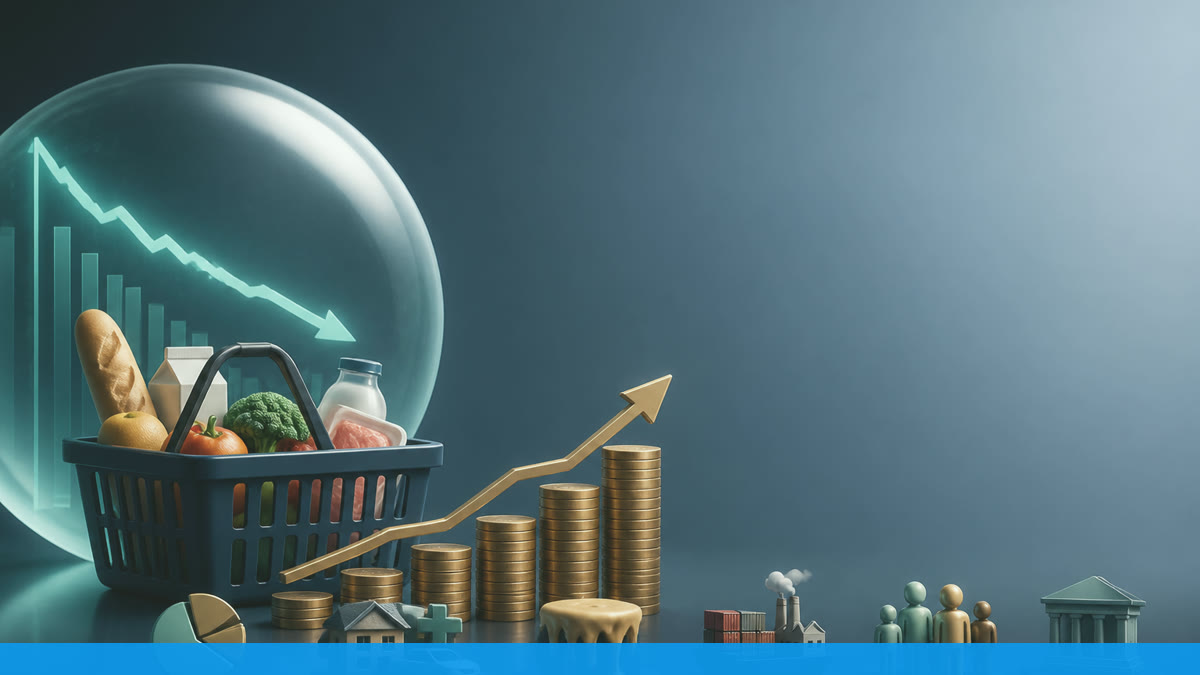
Inflation refers to the rate at which overall prices change over time, while the price level is the actual cost of goods and services at a given moment. When we hear that inflation is falling, it means the pace of price increases has slowed, not that prices have gone down. Prices can still rise even as inflation declines because the cumulative level remains higher than before.
Several factors explain this dynamic. First, inflation is measured year‑over‑year, so comparisons to a period of very rapid increases can make the current rate look lower even though prices are still above the previous year’s level. Second, different categories move at different speeds: energy and goods prices may fall, while services, wages, and housing costs are more persistent. Those “sticky” components take longer to reverse.
Third, supply chain frictions, labor market tightness, and input cost pass‑through can sustain higher prices even as headline inflation cools. Monetary policy works with long and variable lags, so central bank actions may influence inflation after many months. Expectations and contracts also matter: firms set prices and wages based on recent trends and anticipated costs.
In short, a falling inflation rate signals slower increases, not immediate price declines. Watch which price components are changing and consider risks like renewed supply shocks or wage pressures when interpreting the outlook.
Watch the accompanying video
https://www.youtube.com/watch?v=fGNRMtlW05A